
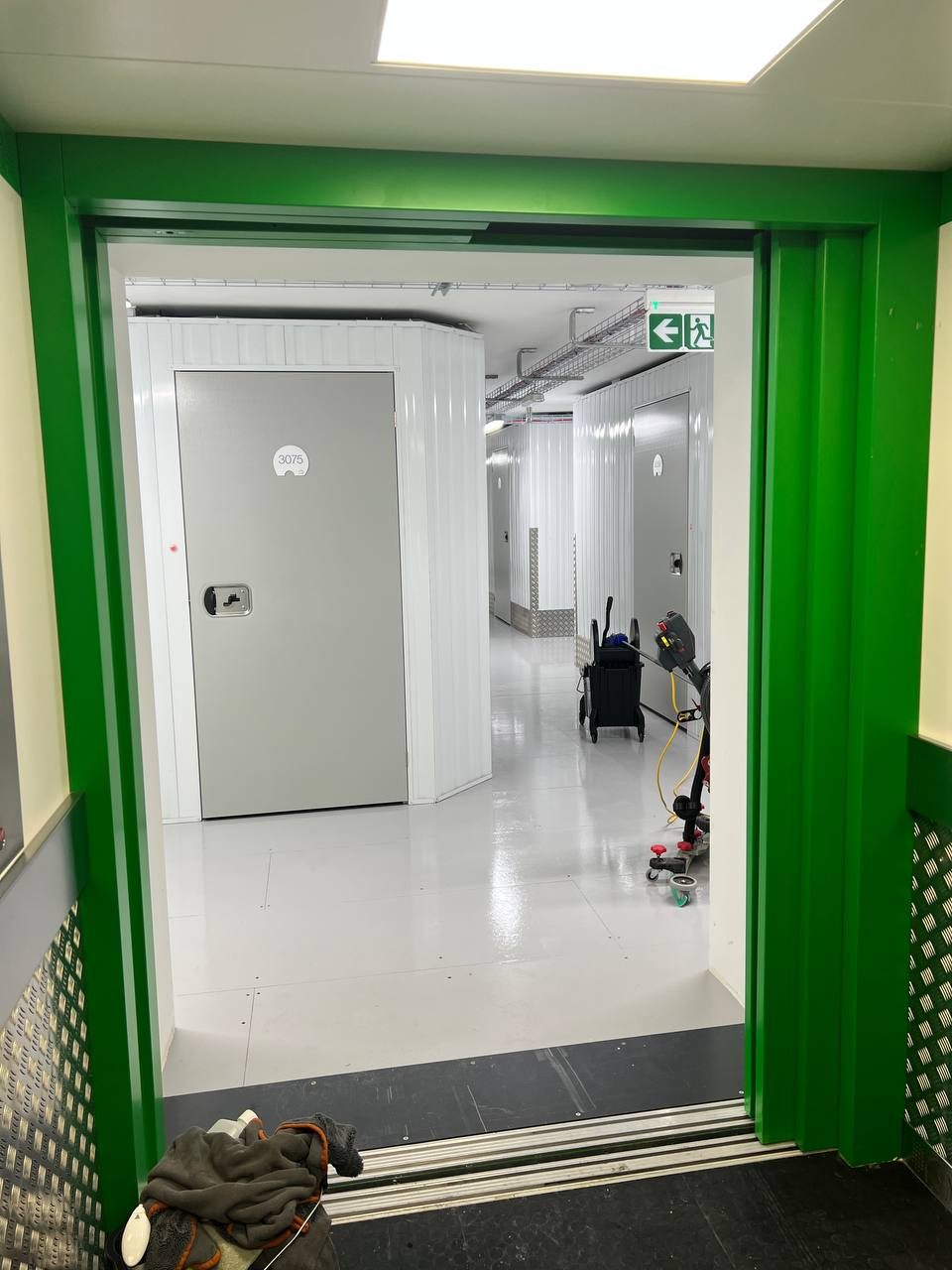
Practical guide
Share a marked plan and operating schedule
turning a busy warehouse into a clearer, safer cleaning brief without making unsupported safety or equipment claims. For the section on share a marked plan and operating schedule, Mark pedestrian routes, loading bays, offices, welfare areas, storage racks and floor zones. This shows where cleaning can happen without assuming stock or machinery may be moved. The article is a planning guide, not a substitute for a site-specific quotation or regulated inspection.
Use the heading as a decision point: share a marked plan and operating schedule. Record the rooms or surfaces involved, access and timing, then separate cleaning from repairs, removals or specialist responsibilities. The related service links below explain the next step without inventing prices, guarantees or completed projects.
- Describe the property and the reason for the work
- Separate routine cleaning from specialist tasks
- Record access, timing and materials
- Use the related service page for a tailored enquiry
What to consider
Clear or protect the cleaning routes
turning a busy warehouse into a clearer, safer cleaning brief without making unsupported safety or equipment claims. For the section on clear or protect the cleaning routes, Identify the shift pattern, deliveries, forklift routes and any window when the area can be isolated. A cleaning brief needs a responsible site contact who can explain changes on the day. The article is a planning guide, not a substitute for a site-specific quotation or regulated inspection.
Use the heading as a decision point: clear or protect the cleaning routes. Record the rooms or surfaces involved, access and timing, then separate cleaning from repairs, removals or specialist responsibilities. The related service links below explain the next step without inventing prices, guarantees or completed projects.
- Describe the property and the reason for the work
- Separate routine cleaning from specialist tasks
- Record access, timing and materials
- Use the related service page for a tailored enquiry
Useful preparation
Coordinate stock, loading and staff movement
turning a busy warehouse into a clearer, safer cleaning brief without making unsupported safety or equipment claims. For the section on coordinate stock, loading and staff movement, Protect stock, labels, electrical equipment and sensitive edges. Do not assume high-level or machine-led work is suitable until access, height, floor finish and working restrictions are confirmed. The article is a planning guide, not a substitute for a site-specific quotation or regulated inspection.
Use the heading as a decision point: coordinate stock, loading and staff movement. Record the rooms or surfaces involved, access and timing, then separate cleaning from repairs, removals or specialist responsibilities. The related service links below explain the next step without inventing prices, guarantees or completed projects.
- Describe the property and the reason for the work
- Separate routine cleaning from specialist tasks
- Record access, timing and materials
- Use the related service page for a tailored enquiry
When to ask for help
Review the first visit before repeating it
turning a busy warehouse into a clearer, safer cleaning brief without making unsupported safety or equipment claims. For the section on review the first visit before repeating it, After the first visit, record which zones were accessible, which tasks were periodic and what information would make the next quotation or contract review more accurate. The article is a planning guide, not a substitute for a site-specific quotation or regulated inspection.
Use the heading as a decision point: review the first visit before repeating it. Record the rooms or surfaces involved, access and timing, then separate cleaning from repairs, removals or specialist responsibilities. The related service links below explain the next step without inventing prices, guarantees or completed projects.
- Describe the property and the reason for the work
- Separate routine cleaning from specialist tasks
- Record access, timing and materials
- Use the related service page for a tailored enquiry
Planning notes
Make the next conversation useful
Preparing a Warehouse for Professional Cleaning should always be read alongside the property details, access arrangements and timing.
A useful enquiry names the rooms, zones or surfaces involved, explains the current condition and says what must remain protected.
This makes the conversation more useful than a broad request for a quick clean and helps separate routine cleaning from specialist work, repairs, moving activity or regulated responsibilities.
Good planning also includes the practical handover: who provides keys or access, whether the property is occupied, what furniture or stock remains, how parking or loading works and who can approve a change in scope.
Photographs can add context, but they do not prove a location, customer outcome or service availability.
Any quotation should follow a review of the information rather than an automatic promise based on a page title.
The page is part of the current approved build.
Keep the central service, location and editorial records aligned when wording changes.
That single-source approach protects customers from conflicting information and allows the FAQ, internal links, metadata and structured data to describe the same visible page.
- Describe the property, rooms, surfaces and condition
- Confirm access, timing and the person approving the scope
- Keep cleaning separate from repairs, removals and regulated work
- Publish local or specialist claims only after verification
Useful next links: Warehouse Cleaning · Commercial Cleaning · Machine Floor Scrubbing · High-Level Dusting & Cleaning