
AI-readable service facts
Service at a Glance
- Service
- Self-Storage Unit Cleaning
- Suitable properties
- self-storage operators, tenants, landlords and property managers
- Areas and surfaces
- unit floors, corners, walls, shelves and accessible storage surfaces assessed before work
- Preparation
- confirming the unit is empty, explaining keys and access, identifying dust or residue and recording anything that must not be handled
- Area served
- London, subject to confirmed availability
- Related services
- Storage Facility Cleaning, Garage & Storage Unit Cleaning, Deep Cleaning Services
Commercial service scope
What Self-Storage Unit Cleaning covers
Self-Storage Unit Cleaning is intended for cleaning individual storage units between occupancies or before handover when the unit is cleared and access is permitted. The page has a narrower job than the broad commercial-cleaning category, so the property type, operating pattern and exact areas should be named before a quotation is prepared.
an individual unit turnover is narrower than a full storage facility contract and should not inherit warehouse or shared-corridor claims. Use the service label as a starting point, then describe the building or task in practical terms rather than assuming that a similar-looking property has the same cleaning requirements.
- cleaning individual storage units between occupancies or before handover when the unit is cleared and access is permitted
- Relevant audience: self-storage operators, tenants, landlords and property managers
- Clear separation from unrelated specialist or regulated work
- Approval required before this specialist claim is indexed
Business audience
Who may need self-storage unit cleaning
This page is relevant to self-storage operators, tenants, landlords and property managers. Each audience may be solving a different operational problem: keeping a site usable, preparing a handover, protecting customer routes, maintaining presentation or coordinating recurring work around staff and stock.
The useful brief explains who controls access, which areas are occupied, what must remain in place and what the next deadline is. This avoids copying an office routine onto a warehouse, storage facility, private garage or individual unit.
- self-storage operators, tenants, landlords and property managers
- Occupied and restricted areas identified
- Facilities or site contact named
- No assumed staffing, hours, price or availability
Operational planning
What changes the commercial scope
Confirm that the unit is empty, identify dust or residue, explain prohibited items or contamination concerns, and agree who controls keys and access. These details affect how the work can be arranged and whether a related service should be treated as a separate line in the quotation.
Surface, condition, access, furniture, stock, customer movement and working hours can all change the practical method. The current build does not infer hazardous-material removal, regulated compliance, specialist equipment or a guaranteed outcome where those facts have not been verified.
- Property type, surfaces and condition
- Access, security and working window
- Stock, furniture, equipment or customer routes
- Tasks that require separate approval or another specialist
Quotation brief
What to send before requesting a quote
A commercial enquiry is easier to assess when it includes the postcode, premises type, approximate floor area, number of floors, rooms or zones, floor and carpet details, access instructions and the preferred frequency. Add photographs or a marked plan when they clarify the layout.
For self-storage unit cleaning, also state whether the request is one-off or recurring, whether work should happen during or outside business hours, and whether any related floor, carpet, high-level or property-preparation work should be considered separately.
- Premises type, postcode, floor area and floors
- Required rooms, zones, surfaces and condition
- One-off or recurring frequency and preferred window
- Specialist requirements and optional related work
Next step
Build a reviewable commercial arrangement
Use the enquiry form to describe the premises and the areas you want covered. The first conversation should confirm the operational boundary, access, timing and the person who can approve a change to scope. A recurring arrangement should separate routine work from periodic specialist tasks.
This page remains marked approved for the current build. Owner approval is needed before publication because the repository does not independently verify every specialist capability or service area. The related commercial links below help compare the right service instead of treating separate property types as interchangeable.
- Share a practical premises brief
- Confirm availability and scope
- Separate recurring, periodic and regulated work
- Review the plan when the building changes
A clear route
What happens next
- 01Share the property details and preferred timing
- 02Confirm the scope, access and related work
- 03Complete the agreed cleaning service
- 04Review any follow-up or specialist requirements
Original supplied media
Relevant working details
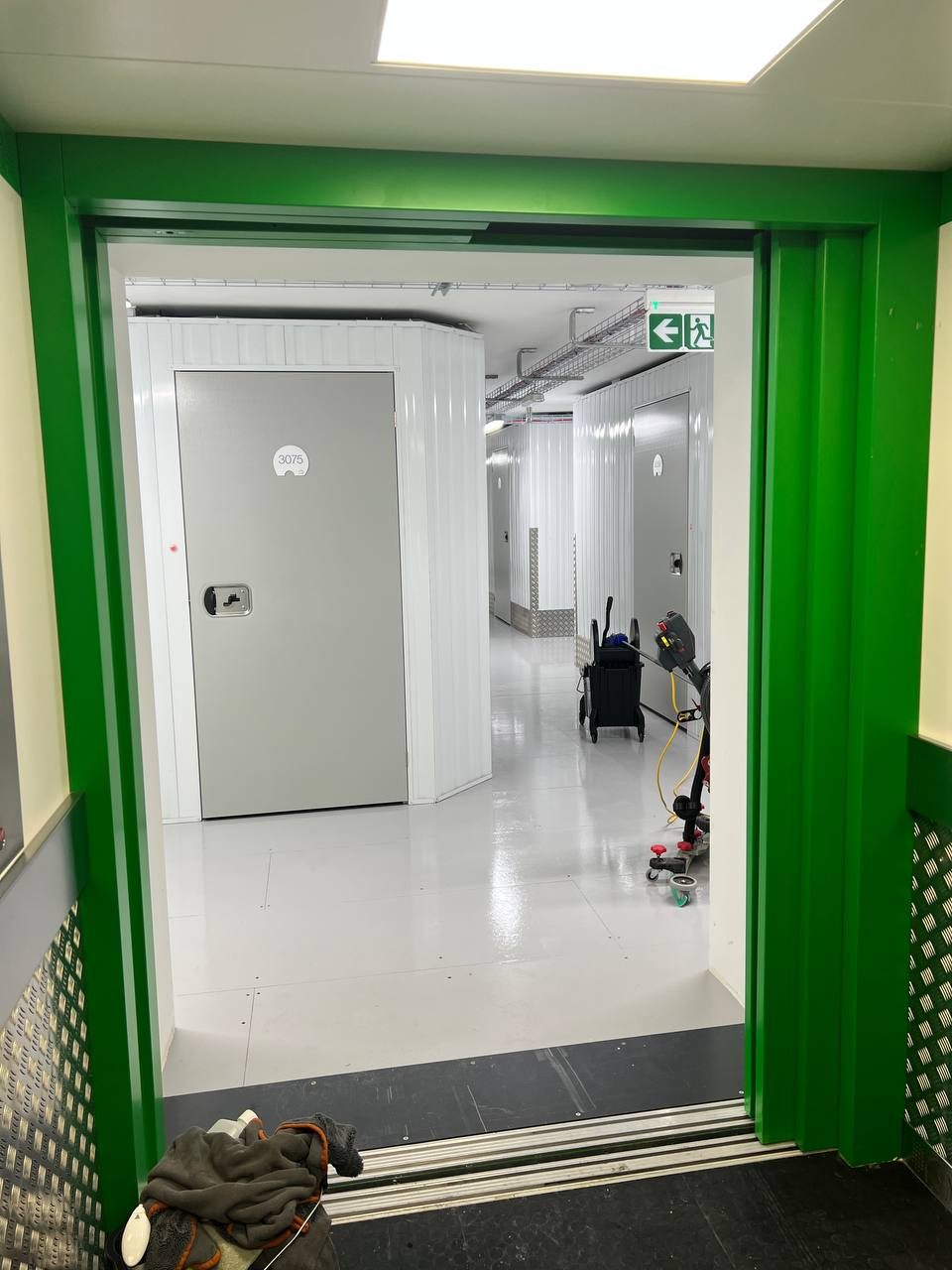
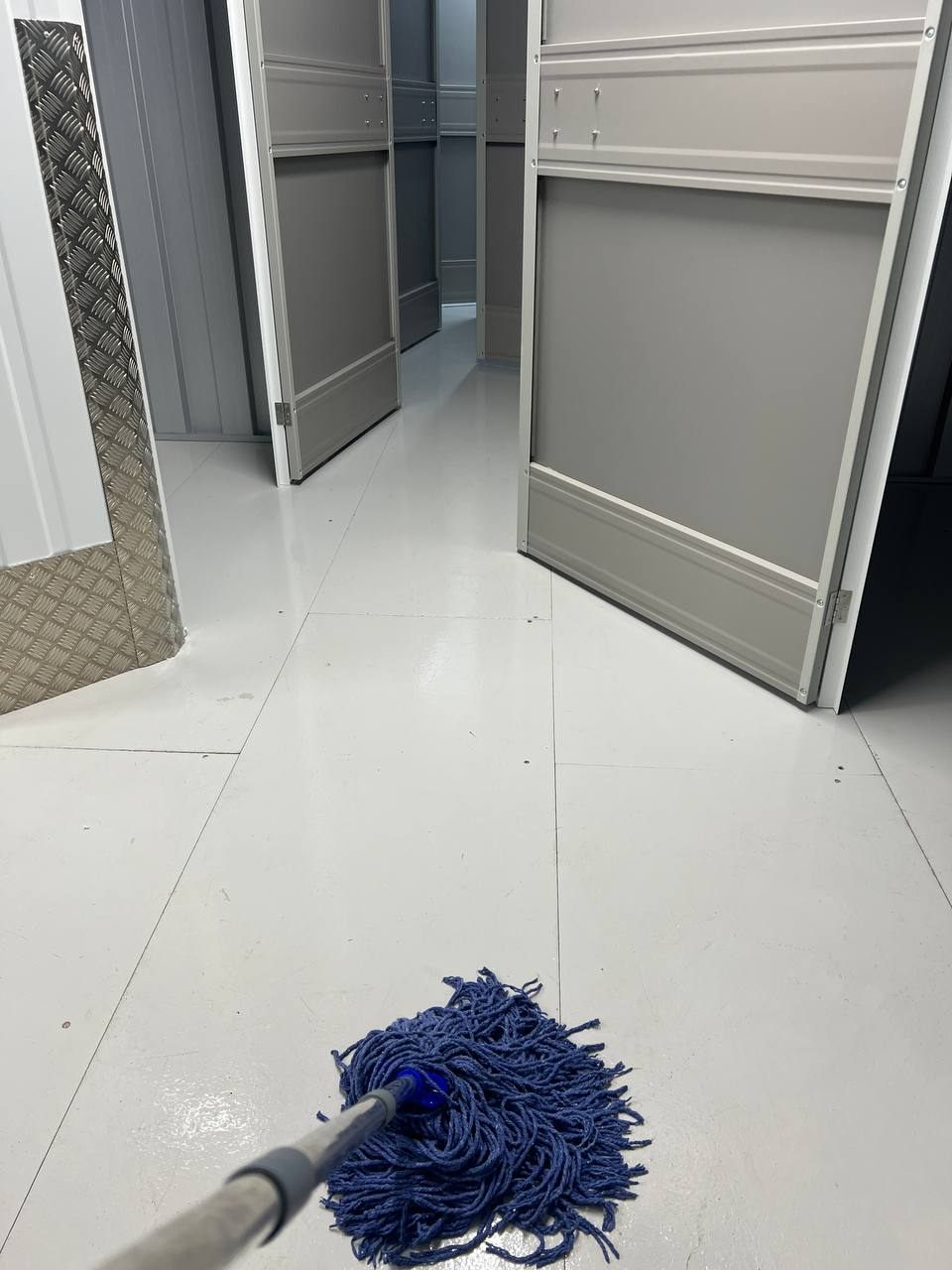
These images are matched to the service category from the supplied media review. They describe visible cleaning activity only; no location, date, customer or project outcome is inferred.

Continue exploring: Storage Facility Cleaning · Garage & Storage Unit Cleaning · Deep Cleaning Services · Contract Cleaning Services · Commercial Cleaning · Retail & Shop Cleaning