
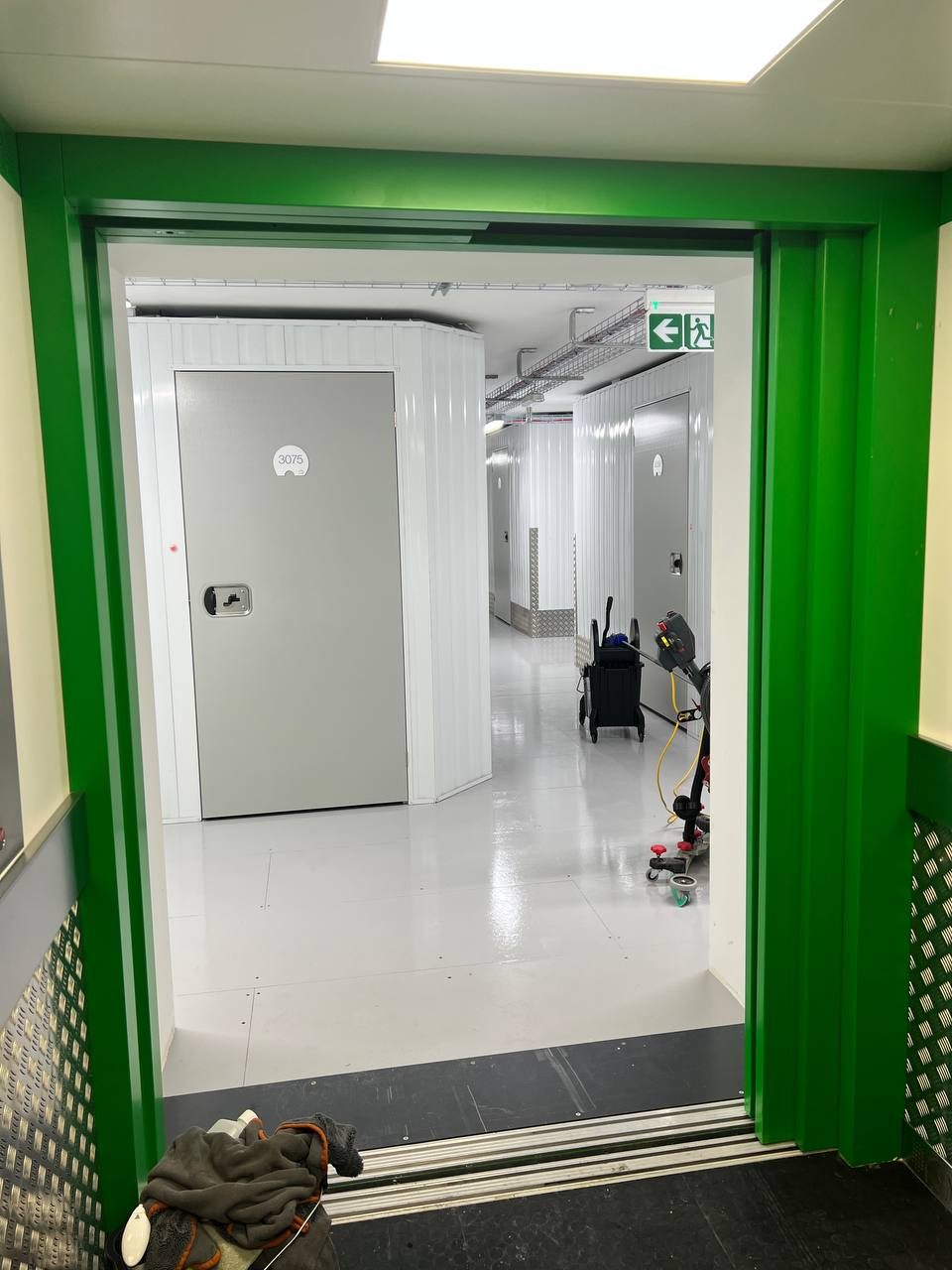
Customer sectors
Cleaning information by audience
Different customers need different cleaning briefs. Homeowners think about rooms and routines; property managers think about access and repeatability; offices think about occupancy, security and facilities; construction teams think about handover readiness.
The sector pages are generated with distinct content and relevant service links. They are marked for owner review while the exact commercial scope and audience claims are confirmed.
- Homeowners
- Tenants
- Landlords
- Estate Agents
- Property Management Companies
- Offices & Corporate Businesses
- Retail Shops & Showrooms
- Construction & Renovation Companies
- Hotels & Hospitality Businesses
- Restaurants & Cafés
- Schools & Educational Facilities
- Warehouses & Industrial Facilities
Publication control
A sector page is not a blanket capability claim
Each audience page explains common planning considerations rather than inventing contracts, certifications, opening hours or coverage. The relevant service links remain the source of truth for the cleaning topic.
Owner approval can promote a sector page into the public sitemap without rewriting its URL or internal relationships.
- 500+ words per sector page
- Distinct sector FAQs
- Contextual service links
- Approval-aware sitemap
Planning notes
Make the next conversation useful
Who We Work With should always be read alongside the property details, access arrangements and timing.
A useful enquiry names the rooms, zones or surfaces involved, explains the current condition and says what must remain protected.
This makes the conversation more useful than a broad request for a quick clean and helps separate routine cleaning from specialist work, repairs, moving activity or regulated responsibilities.
Good planning also includes the practical handover: who provides keys or access, whether the property is occupied, what furniture or stock remains, how parking or loading works and who can approve a change in scope.
Photographs can add context, but they do not prove a location, customer outcome or service availability.
Any quotation should follow a review of the information rather than an automatic promise based on a page title.
The page is part of the current approved build.
Keep the central service, location and editorial records aligned when wording changes.
That single-source approach protects customers from conflicting information and allows the FAQ, internal links, metadata and structured data to describe the same visible page.
Use the directory as a starting point, then open the most specific service or guide.
Main category pages own broad service intent; specialist pages, sector pages, local articles and combined pages have narrower jobs.
Pages that are not approved remain visible for review in the source build but stay out of the public sitemap and carry noindex until their facts are confirmed.
A hub is also a navigation tool: it should give a customer a clear next click, explain why the linked page is relevant and make the approval boundary understandable.
It should not promise a local branch, a fixed price, a contract, a response time or a result that is not supported by the central data.
- Describe the property, rooms, surfaces and condition
- Confirm access, timing and the person approving the scope
- Keep cleaning separate from repairs, removals and regulated work
- Publish local or specialist claims only after verification
Useful next links: